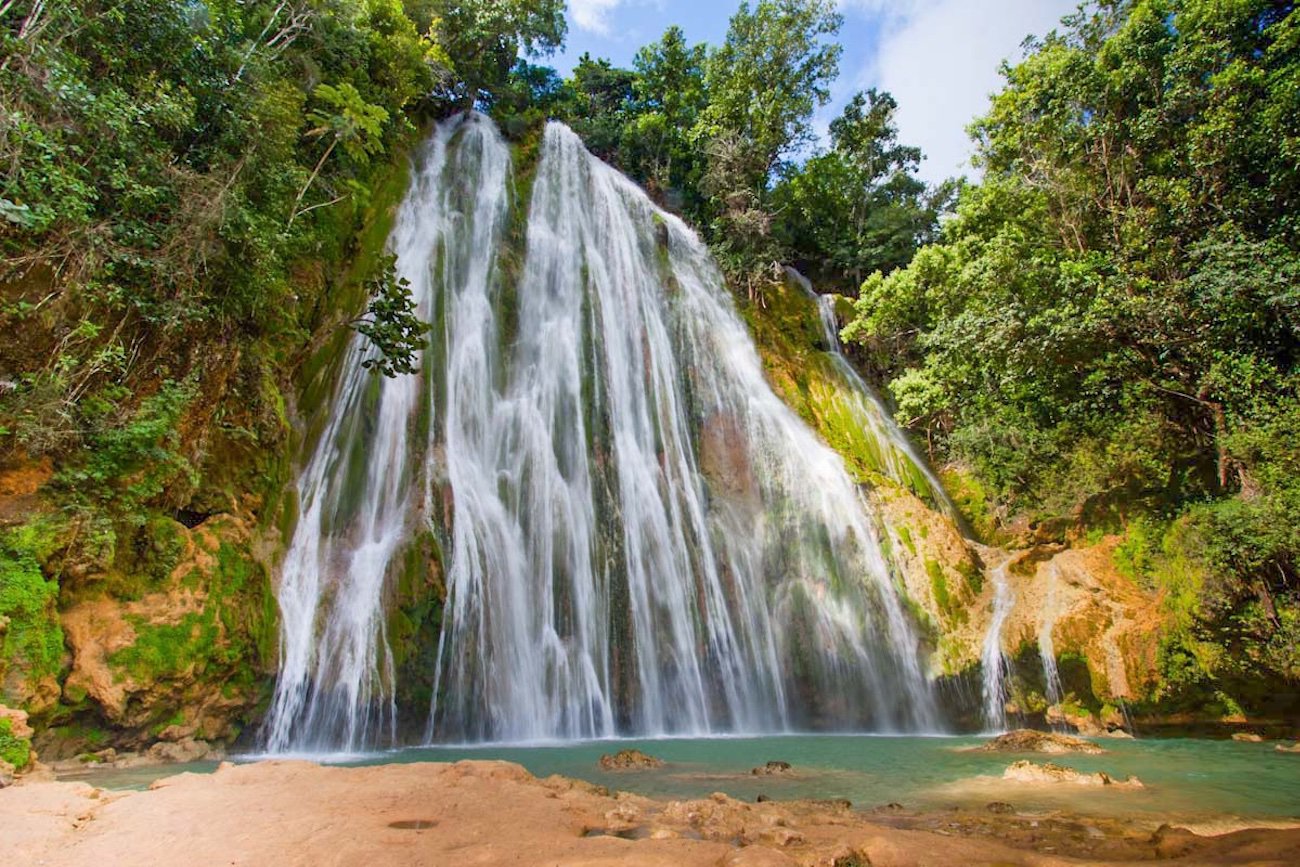
Salto El Limón
30-40 min drive
This waterfall offers a inland contrast to the coastal areas and requires a trek through the local terrain.

Samaná Province sits on the northeastern tip of the Dominican Republic, drawing visitors with its whale-watching season and relative isolation from mass tourism. Safety concerns vary by zone, season, and the type of activity planned. This guide answers the core safety question with current crime data, health risks, and zone-specific advice for 2026.
Quick answer
Samaná is generally safe for travelers who stay in established tourist zones like Las Terrenas, Las Galeras, and the town of Santa Bárbara de Samaná. Petty theft and opportunistic crime occur in crowded areas, but violent crime against tourists remains rare. Health risks center on mosquito-borne illnesses and road conditions rather than personal security. Exercise standard precautions—secure valuables, avoid isolated beaches after dark, and use registered taxis.
Samaná Province records lower crime rates than Santo Domingo or Puerto Plata, but the infrastructure gap between tourist enclaves and rural zones creates uneven risk. Most incidents involving visitors are non-violent: bag snatching near the Malecón in Santa Bárbara de Samaná, unlocked rental cars broken into at remote beach access points, and overcharging by unlicensed motoconchos. The National Police maintain a visible presence in Las Terrenas and along the highway corridor linking Samaná to the rest of the country, and hotel zones employ private security. Health considerations outweigh crime concerns for many travelers. Dengue, chikungunya, and Zika circulate year-round, with case counts rising during the rainy season from May through November. Public clinics exist in Santa Bárbara de Samaná and Las Terrenas, but serious medical cases require evacuation to Santo Domingo. Road safety is the single largest preventable risk—Highway 5 and the mountain route to Las Galeras feature sharp curves, minimal lighting, and livestock crossings. Rental scooter accidents account for a disproportionate share of tourist injuries. The province's isolation once protected it from overdevelopment, but that same remoteness means emergency services are slow to reach Playa Rincón, El Valle, and other coastal zones favored by independent travelers. Cell coverage drops outside town centers, and ATM availability is limited beyond Las Terrenas. Travelers arriving during whale season—January through March—encounter higher prices and denser crowds, which raise the baseline for opportunistic theft. Hurricane season runs June through November, with September and October presenting the highest storm risk. Visitors who book through established tour operators, stay in recognized accommodations, and avoid displaying wealth reduce their exposure to both petty crime and logistical trouble. The question of whether Samaná is safe depends less on the destination itself than on the traveler's preparation, route choices, and willingness to adapt to a province where infrastructure lags behind visitor volume.
“Samaná's isolation once protected it from overdevelopment, but that same remoteness means emergency services are slow to reach coastal zones favored by independent travelers.”
Samaná is generally safe for travelers who maintain situational awareness and rely on organized tourism infrastructure.
Concentrate your activities within recognized resort areas and established visitor hubs to ensure better security. These zones maintain higher levels of surveillance and infrastructure support for travelers.
Book transfers through reputable agencies or your hotel rather than hailing independent street taxis. This ensures you are traveling with vetted drivers who follow established routes.
Keep personal valuables such as passports and extra cash inside hotel safes rather than carrying them while exploring. Only carry the identification and funds necessary for your immediate daily outings.
Stick to well-traveled paths and main roads when moving between towns during your visit. Avoid walking in isolated beach areas or unlit streets after dark to maintain personal security.
When participating in excursions or visiting natural sites, hire guides officially associated with licensed tour operators. Professional guides are trained to navigate the local terrain and provide reliable assistance throughout your trip.
The period from January to March is preferred for whale watching, while April to May offers balanced weather for outdoor activities. Regardless of the season, maintaining a schedule within the best arrival window of 08:00–17:00 ensures you explore the province during optimal daylight hours.
Warm, 24°C to 28°C; lower rain. This period attracts the most visitors due to humpback whale sightings in the bay.
Dry and pleasant, 25°C to 30°C. These months provide stable conditions before the peak of the hurricane season.
Hot, 26°C to 32°C; higher humidity. Travelers should monitor weather reports during these months due to increased tropical storm activity.
—
This window provides the best daylight hours for navigating landscapes and returning from excursions before dusk.
Verdict: April or May remain the most favorable months, and you should always plan your outdoor explorations between 08:00 and 17:00.
Samaná is located on the northeastern coast of the Dominican Republic. Reaching the province is most commonly achieved via private transport or intercity bus services from Santo Domingo or Punta Cana.
Autopista del Coral (Route 3) to Autopista Juan Pablo II (Route 7)
Expreso Bávaro or Caribe Tours to Samaná terminal
Private transfer via Autopista Juan Pablo II
Plan your arrival within the best arrival window of 08:00–17:00 to ensure optimal daylight for navigating regional roads.
Visitors to Samaná often compromise their own safety by ignoring local conditions or venturing into areas without proper guidance. These behavioral mistakes are easy to avoid with basic awareness.
Ignoring warnings about ocean currents at remote beaches
Strong currents and undertows are common along Samaná's Atlantic coast. Swim only at beaches with lifeguards or local supervision, and heed any posted warnings about conditions.
Hiking alone in rural or forested areas without a guide
Dense vegetation and unmarked trails make it easy to become disoriented. Always hire a local guide for backcountry excursions and inform someone of your route.
Leaving valuables visible in parked rental cars near beaches
Opportunistic theft targets vehicles at isolated beach access points. Lock all belongings in the trunk before arrival, or leave them secured at your accommodation.
Accepting unlicensed transport offers from individuals at ports or roadsides
Unlicensed drivers may lack insurance and operate unsafe vehicles. Use registered taxis, hotel shuttles, or pre-arranged tours through reputable operators.
Disregarding advice from locals about areas to avoid after dark
Certain neighborhoods and stretches of road carry higher risk at night. Ask your accommodation staff for current guidance and stick to well-lit, populated areas after sunset.
Exploring the Samaná Province allows visitors to access diverse coastal and natural environments beyond the main hubs. These locations are best visited during the best arrival window of 08:00–17:00 to maximize daylight hours for outdoor landscapes.
30-40 min drive
This waterfall offers a inland contrast to the coastal areas and requires a trek through the local terrain.
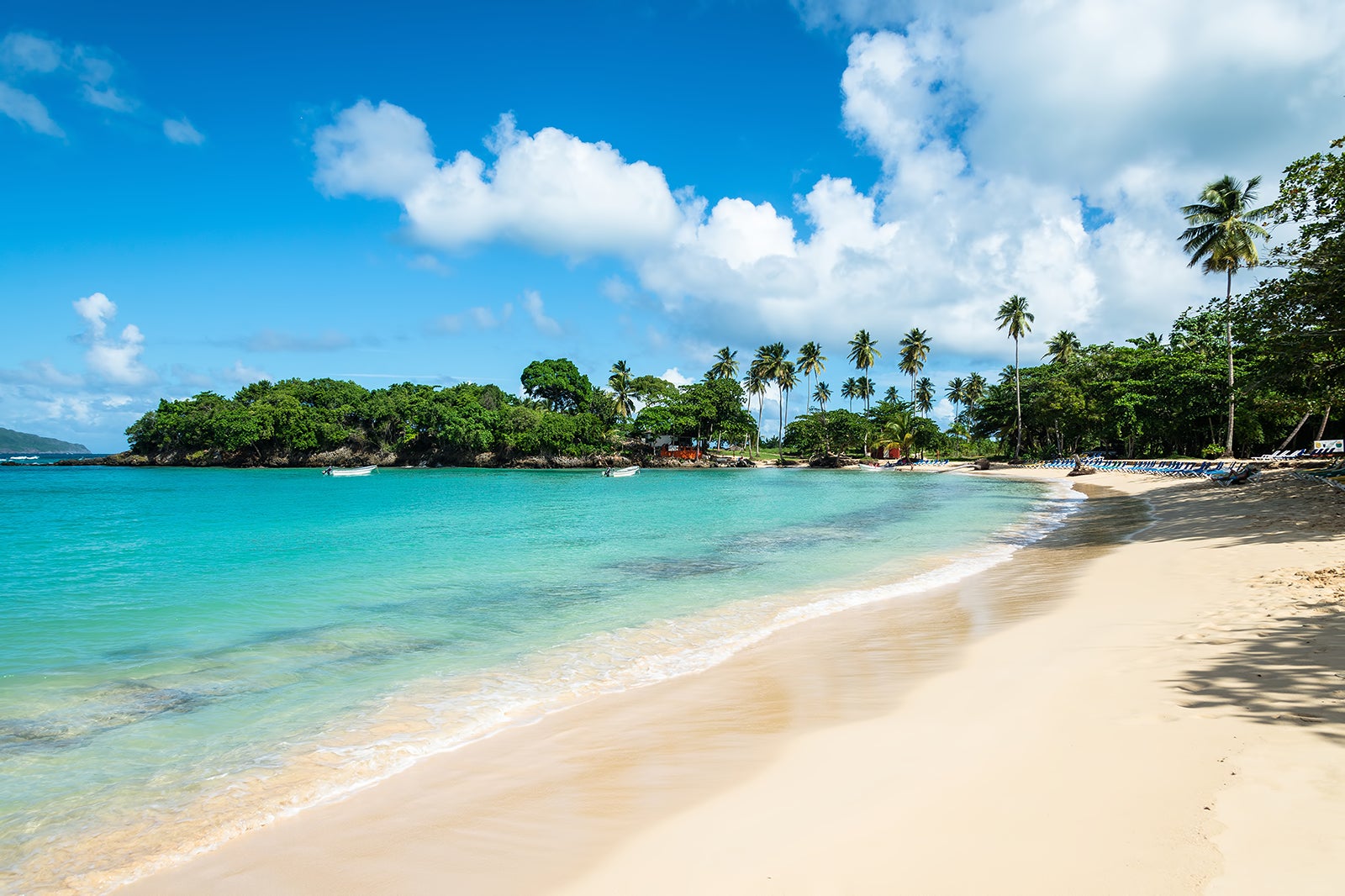
45 min drive
This beach is accessible by vehicle or boat and provides a different coastal landscape compared to the town center.
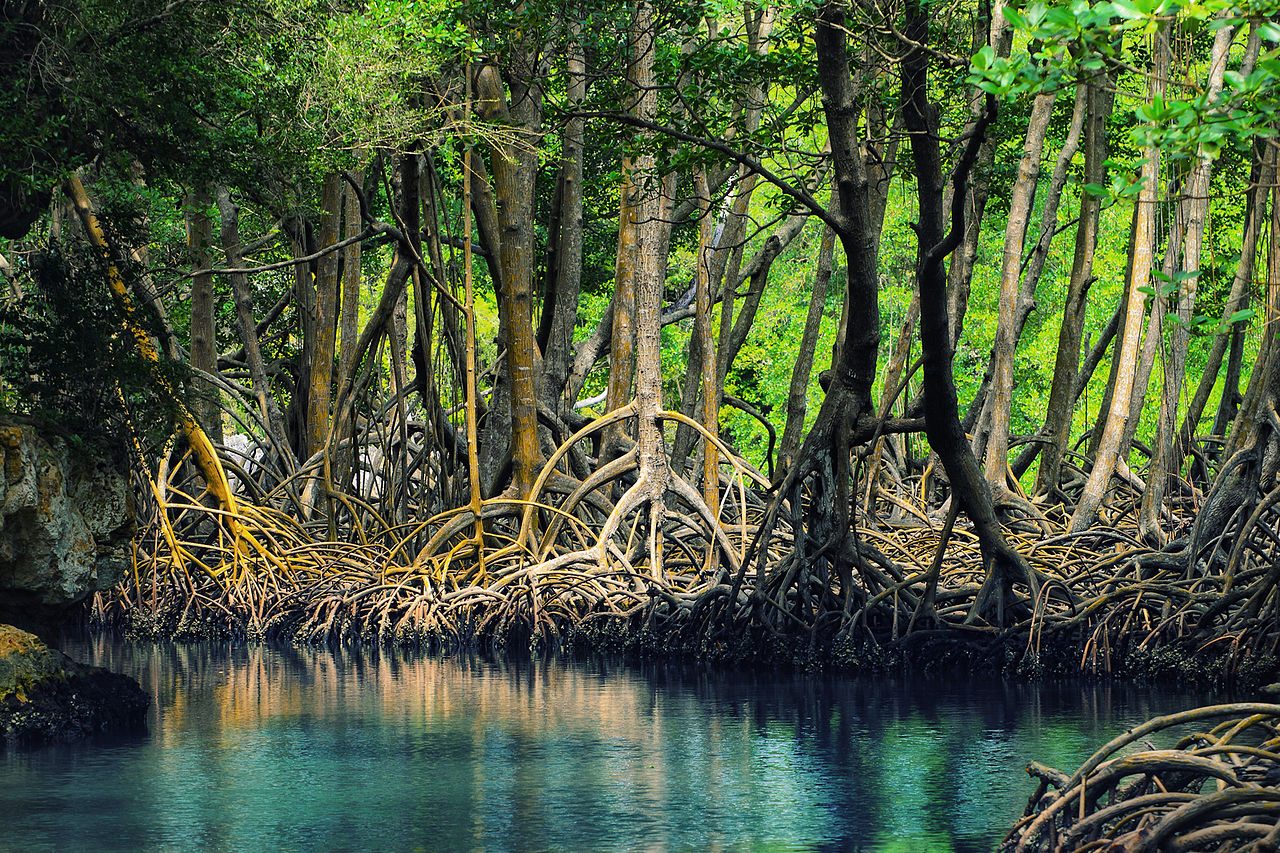
60-90 min boat/drive
This park features limestone formations and mangroves that are geographically distinct from the peninsula beaches.
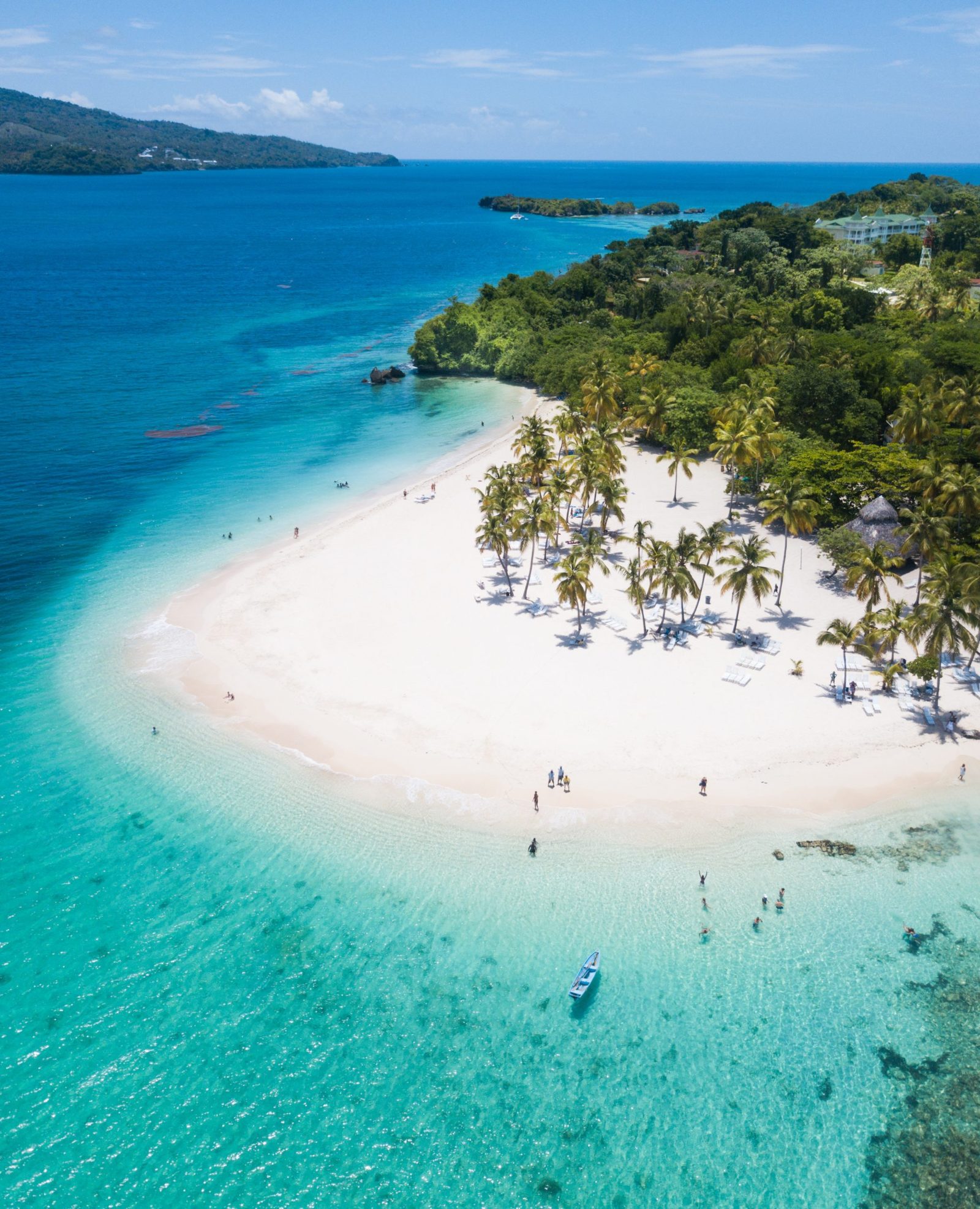
20 min boat ride
This small island sits off the coast and complements a peninsula visit with its concentrated beach environment.
Everything you need to know about is it safe to travel to samana dominican republic
Samaná is generally considered a secure destination for solo explorers who exercise standard travel precautions. Visitors should remain aware of their surroundings and utilize reputable transportation services when moving between landmarks.
Samaná province maintains a welcoming environment for international guests. It is helpful to research local customs and keep your belongings secure while visiting public beaches or outdoor spaces.
To ensure a positive experience, stay in well-lit tourist areas and avoid carrying large amounts of cash. Many travelers find that booking guided excursions provides both convenience and added security throughout their journey.
Crime rates in this region remain relatively low compared to larger urban centers. While it is safe to travel to samana dominican republic, maintaining common sense regarding personal property is recommended in all travel destinations.
Many families enjoy the natural beauty of this region without incident. It is safe to travel to samana dominican republic provided you supervise children closely near the coastline and stick to established paths.
The best way to explore the region is by planning your activities during daylight hours. Local guides can provide deep insights into the natural landscape while ensuring a smooth transit experience.
While Samaná is tranquil, it is always best to stay within populated areas or hotel grounds after dark. By focusing your outdoor activities within the recommended arrival window, you can enjoy the region safely and effectively.